



What is clean beauty?
The term “clean beauty” has been around in the skincare world for a long time. But, depending on who you ask, people have tons of different interpretations of what clean beauty is. Often you’ll see it associated with callouts like “non-toxic” and lots of “free-ofs” (like Phthalate-free, PFA-free, etc.).
Some retailers even have their own lists of banned ingredients as part of their clean beauty initiatives. Lots of the banned ingredients are tied to potential allergens (including some fragrances), cancer-linked ingredients (like Benzene), and ingredients that pose risks to the environment (like microbeads).
What are the benefits of clean beauty?
In practice, clean beauty sounds like a great concept. It holds a brand to certain standards that require the brand's products to maintain formulas that are safe for the skin and environment.
Plus, it can be hard for those with sensitive skin to know what skincare products to use. Typically fragrance is a no-go for sensitive skin types since it can irritate the skin. But, fragrance is still prevalent in lots of cosmetics products. Clean beauty brands make it a point to exclude fragrance, opening up lots of options for those with sensitive skin.
Lots of other potentially harmful ingredients are banned for good reason as well. For example, microbeads were popular not that long ago as a physical exfoliant in cleansers. But, we soon found out the harm they can cause in the environment. They bypass water filtration systems and end up eaten by marine life.
Another example is PFAs. We’ve likely all heard of this chemical and how it's in virtually everything from cookware to some cosmetics. We’ve also found out that they break down incredibly slowly and can cause adverse health effects. So, banning this ingredient as part of a clean beauty initiative is in the best interest of beauty consumers.
Nuances to clean beauty
For all the ingredients banned under the “clean beauty” label, not all are as bad as some make them out to be. At times all chemicals are made to sound bad.
Of course for some chemicals too much can be a bad thing. Think of the example of water. Water is a chemical, but if you were to drink about a gallon of water in just an hour you can experience adverse symptoms like headaches and nausea or vomiting (see: water intoxication).
In the cosmetic space, you’ve likely heard of the bad rep that sulfates can get. But, there is no actual evidence that links sulfates to cancer.
Often used in cleansing products, sulfates help create the foaming effect that helps cleanse the skin. If you are aware that sulfates cause irritation to you personally then it is advisable to stop using products with this ingredient. But this can truly go for any number of ingredients. For example, Niacinamide is beloved in the skincare community but if you personally don’t react well to it then you don’t need to have it in your routine. But that doesn’t make it generally unsafe for everyone.
That’s why it’s important to do a little research if you have questions about certain ingredients. Just because it is a chemical does not mean it is inherently bad for you.
Can everyone use clean beauty?
While lots of ingredients are banned under a clean beauty initiative, that doesn’t exactly mean that everyone can use clean beauty products. Certain concerns may still apply depending on your skin type.
Take exfoliants for an example. Exfoliants typically contain BHA and AHAs to help slough off dead skin and excess sebum from the skin. But, if you are sensitive to AHAs and/or BHA then even if the product is marked as clean beauty it may not still work for you if you’re sensitive to exfoliating ingredients.
This does not mean that AHAs and BHA are unsafe for everyone, it just means if you have a sensitivity to them then it’s best to seek alternatives or perhaps try out products with low concentrations of these ingredients.
Clean beauty and acne care
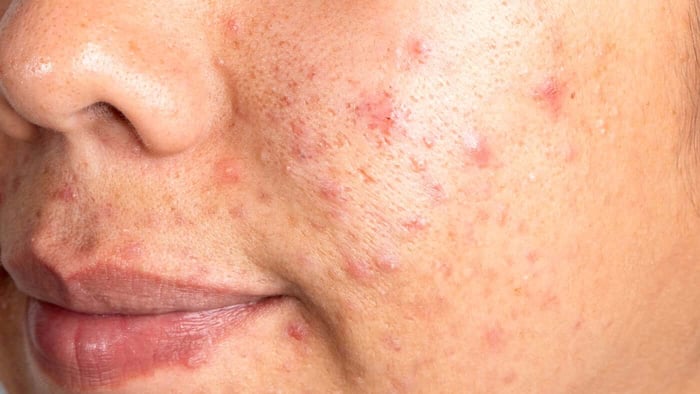
Similar to those with sensitive skin, if you deal with acne, you still have to watch out for certain ingredients in clean beauty products. For example, a product with heavy oils or butters can still be considered clean but may not be so great for acne prone skin.
But, avoiding heavy butters or oils is not necessarily blanket advice for all who deal with acne. It really all depends on how your skin reacts to these ingredients. Some acne prone skin types may have a negative experience with coconut oil clogging their pores.
It helps to stick to the ingredients you know work for your skin or at least if you want to try new products, then first patch test a product.
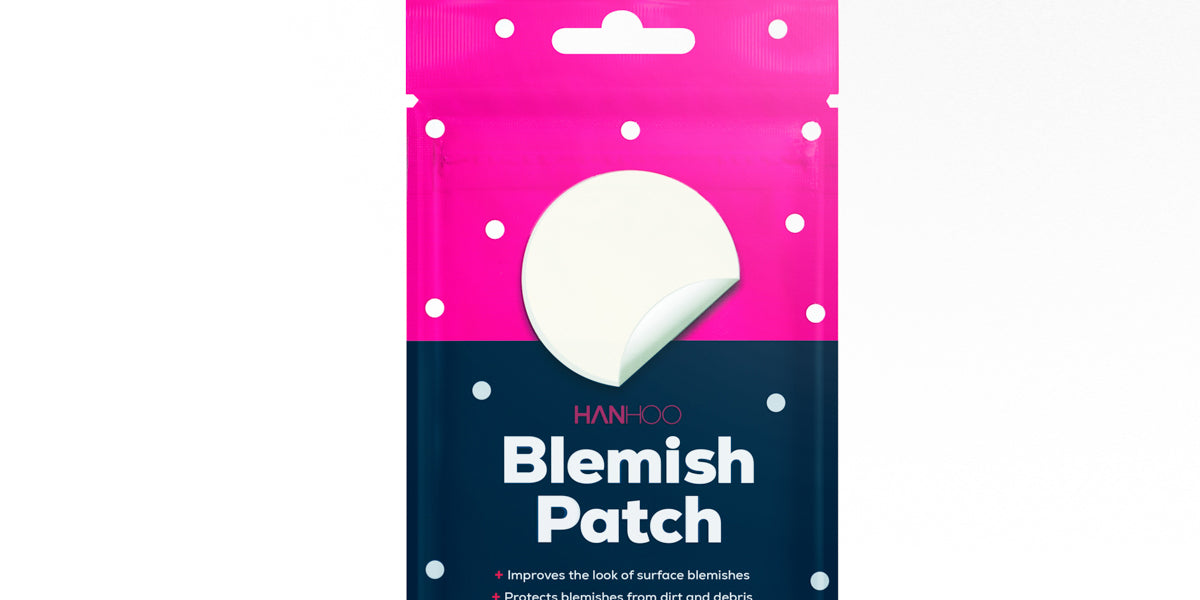
One ingredient you can feel generally safe in using for acne is Hydrocolloid, the star ingredient of our blemish patch collection.
Hydrocolloid serves a variety of purposes in helping to treat existing acne. It helps absorb fluid, creates a barrier against irritants, and curbs the urge to pick at pimples, which we know only makes things worse.
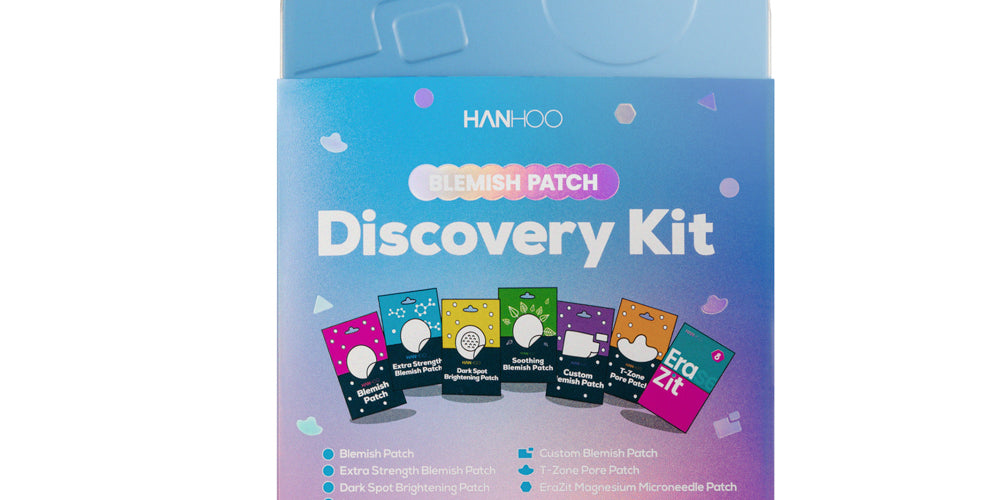
While all of the base of our patches is Hydrocolloid, some have added ingredients to better help with certain types of pimples. Our Soothing Blemish Patch is made with Tea Tree, Aloe, and Madecassic Acid to help calm redness and soothe itchy or irritated pimples. Alternatively our Extra Strength Blemish Patch is made with Salicylic Acid to target stubborn pimples due to its ability to dissolve gunk in pores.
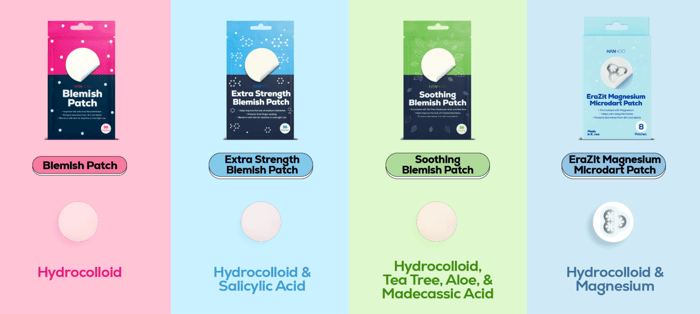
Check out the latest pimple patches in our collection here.