


A damaged skin barrier can be characterized by a number of factors. These include: redness, irritation, dryness/flaking, and even acne breakouts.
And, there are a couple of factors that can contribute to a damaged barrier including: sun damage, over exfoliation, and overloading the skin with too many actives at once.
Once your skin barrier is damaged, it becomes less effective in protecting the skin from external irritants and is not good at holding hydration in the skin, hence the dryness and/or flaking. You also become more sensitive to strong skin care products including retinoids and exfoliants. The loss of moisture and compromised barrier can result in a tight, dry feeling on the skin along with general skin discomfort.
How to treat a damaged barrier
Identifying the cause of the damage to your skin barrier can help you both figure out what to avoid and how to treat your skin.
For example, if you tend to skip out on sunscreen you may notice hyperpigmentation and premature aging over time. Constant sun damage weakens the skin barrier preventing it from keeping the skin hydrated and protected.
Skin barrier damage can also come from some bad skincare habits like over exfoliation. Exfoliating too frequently can strip the moisture barrier causing tightness and dryness in the skin. This can also result in increased sensitivity, irritation, and redness. And while exfoliating typically helps with excess sebum, over exfoliating can create the opposite and trigger extra sebum production as the skin tries to make up for the excess dryness.
In the case of over exfoliation, since the skin becomes dry, you’ll need a nourishing moisturizer to help restore the barrier. And for the time being it would be best to pause on exfoliating as your skin gets back to normal.
Much like over exfoliating, over cleansing the skin or using harsh cleansers can cause some barrier damage. If you’re not mindful of the cleanser you use and your skin type, you can strip the skin of its natural oils and hydration, resulting in an uncomfortable dry, tight feeling.
In this case, a gentle cleanser (like a milky or cream cleanser) can help cleanse the skin without over-stripping it. You should be especially mindful of the type of cleanser you use if you have a dry and/or sensitive skin type.
Whether you have sensitive skin or not, any one can deal with a weakened skin barrier. Some general tips to follow to keep your barrier healthy include:
- Always use sun protection
- Patch test skincare with actives (to make sure your skin can tolerate it)
- Keep the skin hydrated
- Keep your skin type in mind when choosing skincare products
- Maintain a simple routine
How to layer your skincare
Keeping a simple routine can help get your skin barrier on the right track. It may take a couple of weeks of doing the same simple routine before your skin barrier is back to normal.
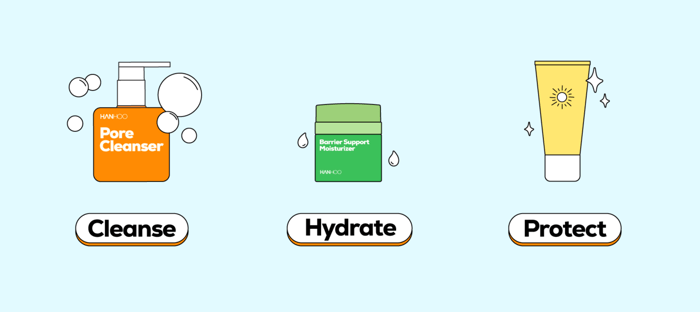
Step 1: Gentle Cleanser
If you’re experiencing sensitivity and irritation, a gentle cleanser can help avoid any more unnecessary skin discomfort. A milky cleanser or a cream cleanser adequately cleanses the skin without over-stripping moisture from the skin.
Step 2: Nourishing Moisturizer
All skin types need moisturizer, even oily skin. A moisturizer can include a variety of nourishing ingredients to help hydrate and strengthen the skin barrier. This step is essential in any routine, not just to repair the skin barrier.
Step 3: Sunscreen
Sunscreen is non-negotiable. Sunscreen should be a part of every routine, whether your barrier is compromised or even if it is healthy. Sunscreen is part of what helps keep your barrier protected so your barrier can do its job.
Typically this is what your routine would look like if you are dealing with a weak skin barrier. There may also be an added serum with hydrating properties to better help restore moisture to the skin.
There are also some ingredients you should look out for when building your gentle routine. Nourishing and hydrating ingredients like Ceramides, Panthenol, and Hyaluronic Acid help restore moisture to the skin and rebuild the barrier.
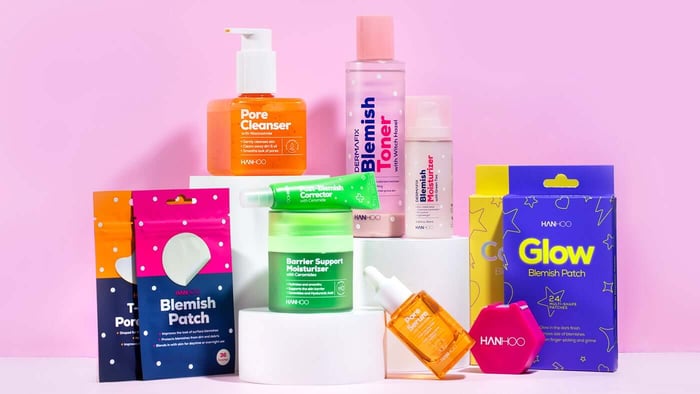
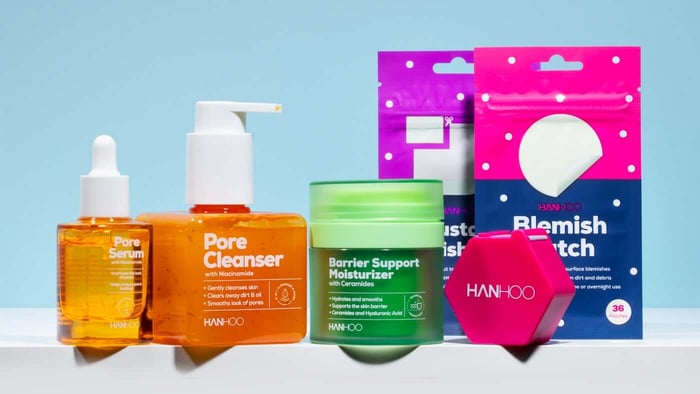
For example, our Barrier Support Moisturizer is made with six types of Hyaluronic Acid and a blend of multiple Ceramides to soothe and support the skin barrier. The lightweight gel-cream hybrid provides a calming cooling effect on the skin and hydrates without a heavy or sticky feeling on the skin.
If you don’t have a weakened barrier but still want to make sure you aren’t doing anything to damage it there are more steps you can add depending on what your end goal is.
|
Barrier Support Moisturizer with Ceramides 
$15.00 Replenish moisture and boost the skin barrier. Made with a blend of multiple Ceramides and 6 types of Hyaluronic Acid, this daily moisturizer helps restore the skin barrier, smooth the skin, and calm the look of redness and irritation. Apply… read more |
Exfoliants & Retinoids
If you deal with acne, there may not be a way around exfoliants or retinoids. These kinds of products are often recommended because of their ability to reduce the appearance of breakouts.
However, they are typically also stronger than your average skincare product, with some even being considered OTC acne drugs, like acne products that contain 0.5 to 2% Salicylic Acid. The same goes for some retinoids. Adapalene (a type of retinoid) is also considered an OTC acne treatment.
When adding these types of products to your routine, you can always first patch test them to make sure your skin does not react negatively to them. Once you are sure you can tolerate them, you can gradually add these products to your routine.
In a basic routine like the one outlined above, an exfoliant or retinoid can be used before your moisturizer.
Ultimately, knowing your skin and how it reacts to certain skincare products can help inform what you can add to your routine and what you should avoid.