




When it comes to sensitive skin it can be a little difficult to shop for skincare. Sometimes you won’t even know if your skin doesn’t like a certain skincare product until you try it. And at that point it could result in some annoying side effects like irritation, redness, dryness, and even breakouts.
And while everyone nowadays seems pretty skincare savvy, it’s not always super intuitive. You might think that a product sounds harmless but not everything is formulated to cater to only sensitive skin.
There are some pointers you can keep in mind when shopping for skincare products as someone with sensitive skin. For example, there are certain ingredients that are known to sensitize skin including certain types of alcohols and fragrance. So you may want to stick to skincare that is fragrance-free and alcohol-free.
There are also plenty of skincare products with ingredients that do target sensitive skin and are meant to help decrease sensitivity in the skin and factors of sensitivity like redness and irritation.
Sensitive-skin friendly ingredients:
There are plenty of skincare ingredients that can actually help calm and reduce irritation associated with sensitive skin. These include:
Hyaluronic Acid
You often find Hyaluronic Acid in hydrating serums. That’s because of its ability to attract water to the skin and keep the skin hydrated and protected from TEWL (transepidermal water loss). Lack of hydration in the skin doesn't only mean that you’ll have dry skin but also that the skin barrier can become vulnerable. Incorporating Hyaluronic Acid in your routine can help keep the barrier protected and the skin hydrated.
Ceramides
The skin barrier plays a vital role in the sensitivity you may be experiencing. For example, if your barrier is weakened then you can become more susceptible to things like dryness, breakouts, irritation, etc. Ceramides make up part of what keeps the skin barrier strong. So if you’re experiencing some barrier issues, Ceramides can help restore the skin to protect from irritants and keep moisture in.
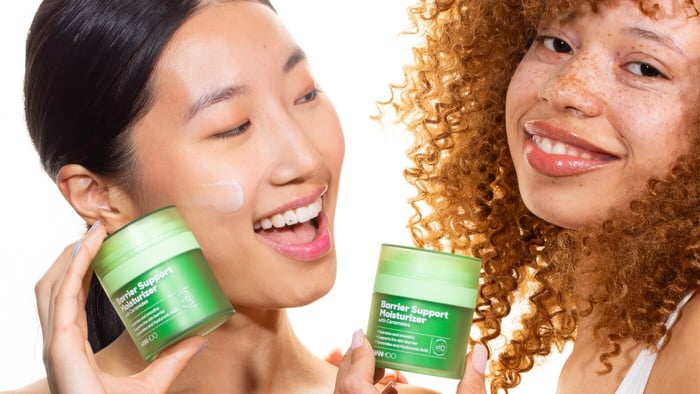
The Hanhoo Barrier Support Moisturizer features both Ceramides and Hyaluronic Acid as superstar ingredients. As a matter of fact it contains 3 types of Ceramides and 6 types of Hyaluronic Acid to give the skin an extra hydration and nourishing boost. Keeping up with a daily skin barrier supportive product can help the skin better defend against irritants. 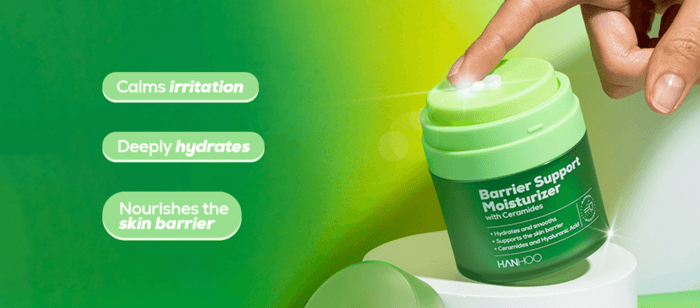
Panthenol
Similar to Hyaluronic Acid, Panthenol also helps prevent TEWL to keep the skin moisturized and the barrier supported. It’s also known to calm and soothe the skin to help with the tell-tale signs of sensitized skin like irritation and redness.
Colloidal Oat
You’ve likely heard of using oatmeal baths for irritating skin conditions like eczema. This is because of the ingredients' soothing properties. The FDA even classifies Colloidal Oatmeal as a “skin protectant” at certain percentages for its use in calming skin irritations and itching associated with rashes, eczema, insect bites, etc. Its skin-soothing and anti-inflammatory properties can help calm easily irritated skin.
Glycerin
Also classified as a skin protectant (in percentages from 20 to 45 percent) by the FDA, Glycerin helps soothe irritated skin. Also a naturally occurring component of the skin, Glycerin keeps the barrier protected and moisturizes the skin.
What if I want to use actives or exfoliants?
Most of the ingredients mentioned above are focused on hydration and soothing benefits, but that doesn’t mean that you can only use hydrating and soothing skincare products.
So, if you want to try exfoliating the skin, there are still ways you can do it even with sensitive skin. But there are some tips you should follow to avoid irritating the skin. For one, stick to products with lower concentrations of the exfoliating ingredient and try out exfoliants that are better for sensitive skin, like Lactic Acid. For another, you may want to avoid physical exfoliation since it could trigger a reaction in sensitive skin.
For example, our Pore Serum contains lower concentrations of exfoliants like Glycolic Acid and Salicylic Acid to help gently exfoliate without irritating the skin. Plus the Niacinamide and other skin-soothing ingredients like Allantoin help keep the barrier happy.
Also, while exfoliating is typically recommended as a 2 to 3 times a week activity, you should reduce it to about 1 to 2 times a week if you have sensitive skin. Plus, you can always patch test the exfoliant before applying it all over the face to make sure that it will work well with your skin. Not everyone’s version of sensitive skin is the same so it’s important to make sure you are testing a product before using it in your routine.
The same goes for Retinol. If you have sensitive skin but want to use a Retinol in your PM routine, then you’ll want to choose one that has a lower concentration of this ingredient and use it about 1 to 2 times a week to start.
Typically, when looking for skincare products with actives in them, it’s best to stick to lower concentrations, start off slow, and patch test, patch test, patch test!
What to do if your skin is super sensitive?
Very sensitive and reactive skin may sometimes come from skin conditions like eczema and rosacea. These types of skin conditions can be characterized by flare-ups that lead to some serious skin irritations.
In this case, you can always look out for skincare products that carry seals like the National Eczema Association seal or the National Rosacea Society seal, which identify products that are safe for those with these types of skin conditions.
And while it can be frustrating, you will have to be extra careful with your skincare to avoid flare ups or agitating your skin. Ultimately, consulting a professional would be in your best interest to keep your skin healthy if you have skin conditions such as these.