



What does it mean for your skin to be dry or dehydrated? To be honest both pretty much sound like the exact same thing. Both also seem to point to the fact that the skin lacks moisture. But, that does not necessarily mean these two can be used interchangeably.
Dry skin refers to a skin type characterized by skin that is typically dry, does not produce enough oil, and can appear textured and dull. It can also be characterized by a tight feeling given the lack of oil in the skin. These factors can also be affected by environmental elements that worsen dry skin like certain types of weather and pollution.
On the other hand dehydrated skin refers to a temporary state that your skin is in. And it is not a skin type on its own. In fact, even oily skin types can experience dehydration.
How do I know if my skin type is dry
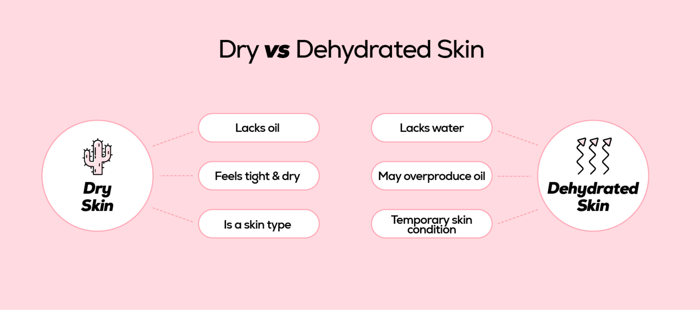
As mentioned previously dry skin lacks oil, feels tight and at times uncomfortable, and is overall lacking in moisture. So if this sounds like your skin then it's likely that you have a dry skin type. This is also not usually a temporary condition, dry skin is simply what your skin usually looks and feels like (unlike dehydrated skin which can be temporary).
Other factors that describe dry skin include flaking or cracking, especially when dealing with some cold or dry weather conditions, defined fine lines (due to lack of natural oils in the skin), and irritated skin that can present as itchiness.
How do I know if my skin is dehydrated
Unlike dry skin, dehydrated skin is not necessarily lacking in oil but rather water. Dehydration in the skin may actually even result in the overproduction of oil due to the lack of moisture in the skin. This could result in the skin looking cracked and dry but shiny in some parts due to the excess oil.
Because of the lack of moisture in the skin, dehydrated skin presents pretty similar to dry skin, which includes a tight, dry feeling, cracked skin, and dullness. But as mentioned before, the skin could still appear oily in some cases when you are experiencing dehydrated skin.
So, if you already know what your skin type is but feel like your skin is going through an uncharacteristic bout of dryness then it may just be that your skin is dehydrated, not dry.
So what now?
If you’ve determined that your skin type is dry, then here are some simple tips to help combat that dryness:
Use nourishing creams
Since we’ve established that dry skin lacks oil, nourishing ingredients can become your best friend. This includes ingredients like Jojoba Oil, Hyaluronic Acid, Glycerin, and Shea Butter. Thicker creams may also work better for dry skin compared to lightweight, water-based moisturizers.
Avoid over-cleansing
Often you hear that both your morning and night routine include cleansing as the first step. But, if you have dry skin then you may not really need to cleanse as frequently. Once a day may be sufficient so you ensure that you are not further stripping the skin of any essential, naturally occurring oils on the skin.
Avoid irritating ingredients
Dry skin can result in a weakened skin barrier. In this case you should avoid ingredients that can further sensitize the skin so your barrier can recover. Commonly irritating ingredients include fragrance and certain alcohols (like denatured alcohol). These can be drying and/or irritating to the skin which can contribute to further skin discomfort.
But, if you skin is dehydrated, there may be some differences in the products you choose:
Use lightweight hydrators
Since dehydrated skin can happen to any skin type, then the moisturizer you choose may depend more on your skin type. Oily skin types with dehydrated skin can opt for hydrating, water-based moisturizers that work better for oily skin.
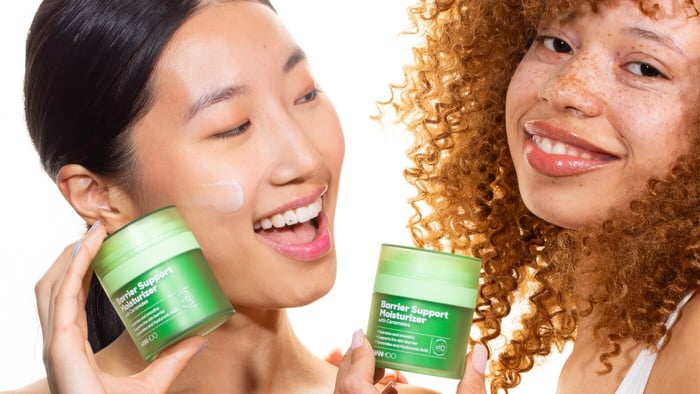
Our Barrier Support Moisturizer is a mix between a cream and gel to help give the skin plenty of hydration without weighing it down. Made with Ceramides and Hyaluronic Acid to help replenish the barrier and restore moisture to the skin, it's a great option for oily, acne-prone, and even combo skin types.
The most important thing to do for dehydrated skin is give it what it lacks–water. So regardless of your skin type, a water-based moisturizer with ingredients like Hyaluronic Acid, Aloe, and Glycerin are best because they contain humectant ingredients that help attract water to the skin.
Stay away from irritants
Much like dry skin, you should stay away from irritating and drying products while your skin is dehydrated. This includes skipping out on an OTC-level exfoliant or retinoid to make sure your skin takes the time to recover.
Tips for dry and dehydrated skin
Regardless of your skin type, taking care of your skin barrier can help alleviate the symptoms of both dry and dehydrated skin. Dry and dehydrated skin both share some characteristics that can weaken the skin barrier including lack of hydration and cracked/flaky skin.
A weakened barrier can lead to even more skin discomfort from irritation, redness, and breakouts. Keeping your skin moisturized and temporarily avoiding triggers to sensitive skin can help restore the barrier and prevent any further irritation.