



With tons of new skincare trends and practices popping up, it can be hard to keep up. And not everything may work for your skin, so then you also have to navigate what trends you can actually take part in.
Like take slugging for example (which by now is a pretty old trend). Slugging is named for the practice of applying a thick occlusive product, like Vaseline, overnight to help repair ultra dry or irritated skin. While this trend can be great for dry or dehydrated skin, it might not work out for acne-prone skin. Some skincare enthusiasts on social media found this out the hard way. Keeping an occlusive on the skin for a prolonged amount of time on acne-prone and oily skin can have the added side effect of clogging pores, leading to unwanted breakouts.
And with the numerous other skincare trends on social media, it can be hard to weed out the good among the bad.
Skincare Myths:
Oily skin doesn’t need moisturizer
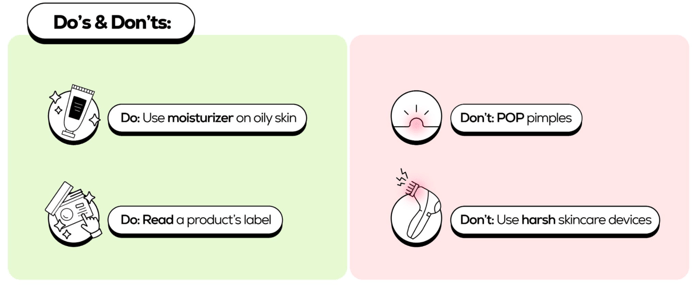
If you have oily skin you may have heard of the whole myth that “oily skin does not need moisturizer.” And while it may seem like that makes sense since oily skin does not deal much with dryness, it doesn't ultimately benefit your skin in any way to skip out on moisturizer.
Oily skin is characterized by the overproduction of oil, which you would think should be sufficient on its own to keep the skin moisturized. But, if the skin is not receiving enough moisture it can become dehydrated. Dehydrated skin can then be prompted to overproduce oil, making oily skin even oilier.
And, if you have oily skin but don’t think moisturizer is for you, then there’s good news. There are tons of moisturizers out in the market specifically formulated for every skin type. So it’ll actually be quite easy for you to find a moisturizer that caters to oily skin. You simply need to look out for moisturizers that are water based and lightweight to keep oily skin hydrated without feeling heavy on the skin.
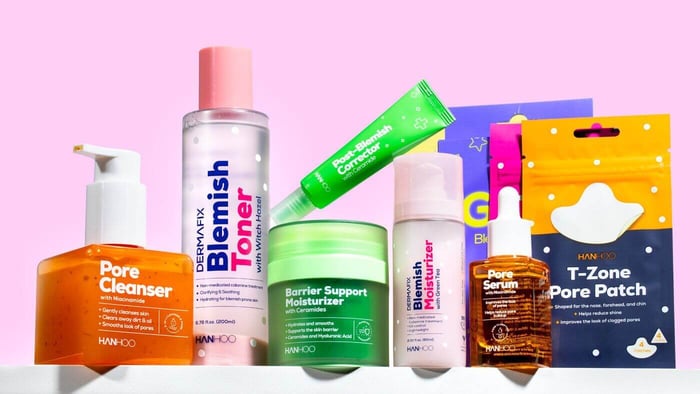
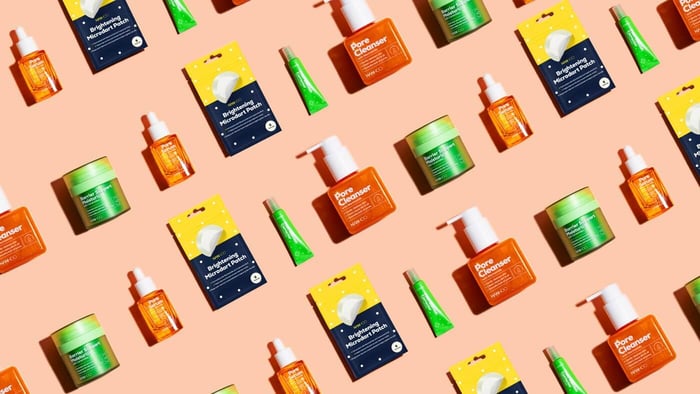
For example, the Hanhoo Barrier Support Moisturizer is a lightweight yet nourishing moisturizer with a gel-cream type texture to help hydrate without feeling greasy.
Pop pimples to make them go away faster
While popping pimples may be satisfying at the moment, it’s not recommended as a method to help the pimple disappear faster. In fact, it could contribute to making the pimple worse or causing a post-blemish mark to pop up once the spot has healed.
And trying to pop a deep pimple is even worse. These kinds of pimples are usually pretty hard to pop since they don’t appear with a visible whitehead given that they are deep in the skin. So, trying to pop one can push the gunk further into the skin and cause the pimple to look more inflamed and feel more tender.
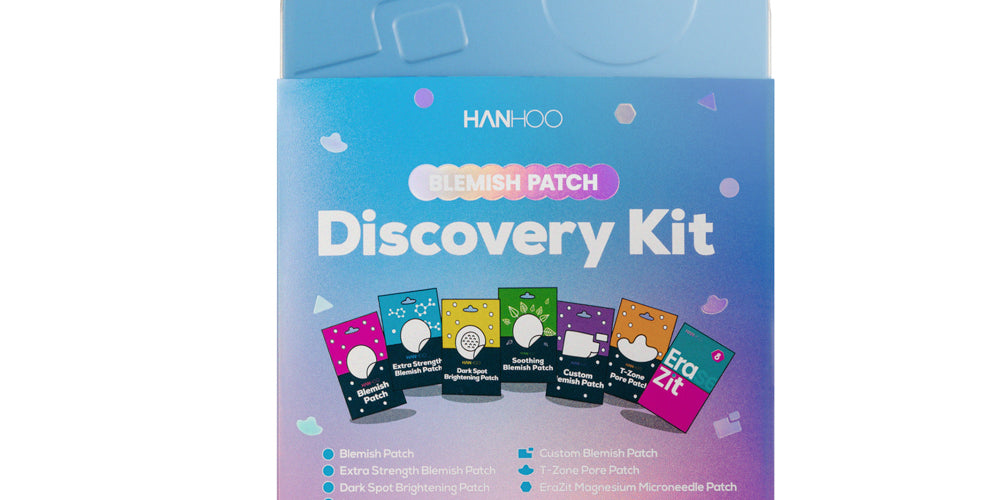
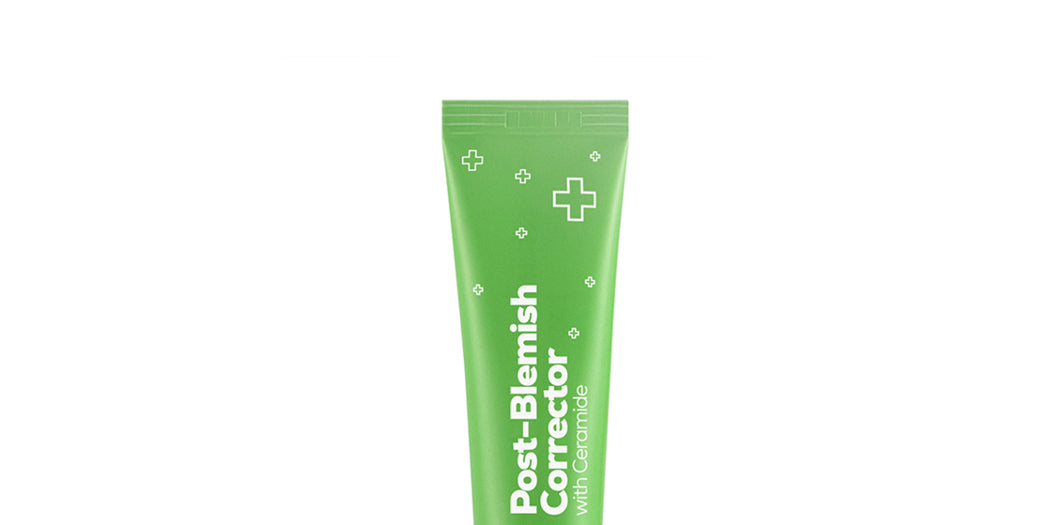
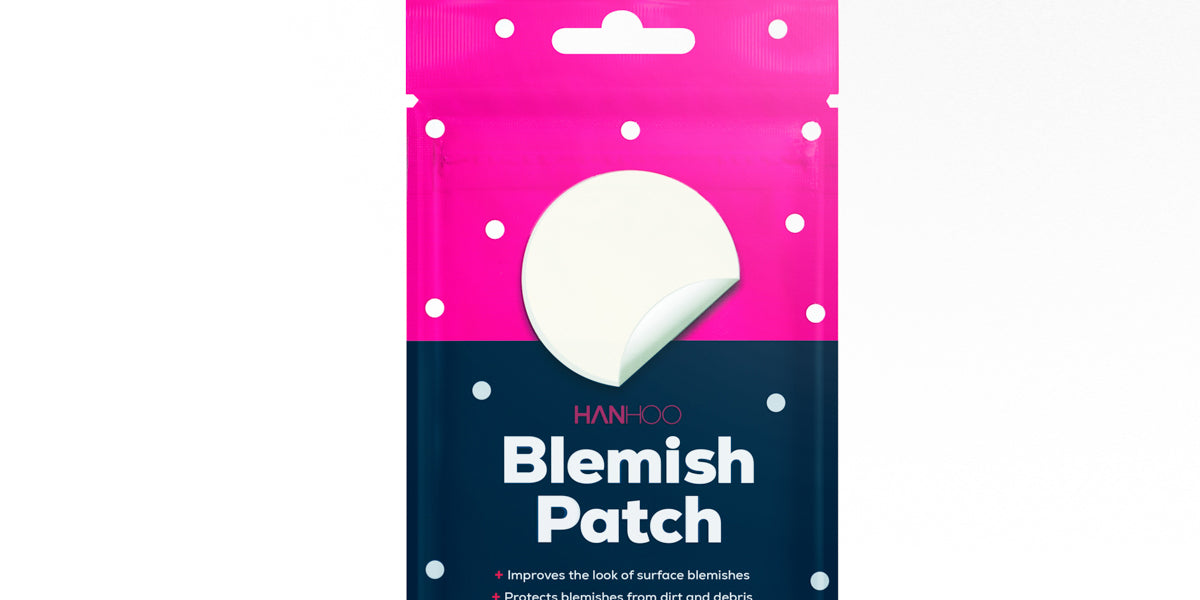
Regardless of whether a pimple looks poppable or not, best practice is to use some sort of spot treatment. This could be a pimple patch or a cream spot treatment that works for you. Our collection of blemish patches include patches for surface pimples, blind pimples, and even deep, angry pimples. Applying patches can help minimize the pimple but are also a good reminder to keep your hands off the pimple.
Only use natural skincare
Natural skincare is not necessarily a bad thing. But, it is a myth to believe that natural skincare is the only safe skincare. By now derms on TikTok have likely taught us that chemicals in skincare are not bad. Any skincare with water in it has a chemical since water itself is a chemical. And, technically Arsenic is a natural ingredient and you definitely don’t want that in your skincare.
Skincare marketed as 100% natural can also contain some pretty common allergens, like essential oils. But this also doesn’t mean you have to stay away from natural ingredients in skincare. There are plenty of skincare products with both natural and synthetic ingredients that can work great for your skin.
A mix of natural and synthetic ingredients can work great for the skin. A popular natural ingredient at the moment is Centella Asiatica, or Cica, which has been popping up more and more in skincare. This ingredient has a history of medicinal uses and in skincare can help with irritation and repairs the barrier.
As a general rule it always helps to take a look at the ingredients label on your skincare products to ensure that they don’t contain allergens that you know can trigger your skin (fragrance being a common one).
Use pore vacuums to clear out blackheads
You’ve probably seen the pore vacuum/suction machines in action on TikTok or Instagram. It’s those handheld devices that appear to suck up the gunk trapped in your pores. Seems harmless enough right? Unfortunately, that’s not the case. While we enjoy a good extraction video like the next person, it’s usually in the appropriate setting and done by a professional to avoid damaging the skin.
Pore vacuums can cause some harm to the skin through the suction action. The intense suction can cause surface damage like broken capillaries (those web-like red/purple-looking lines that can pop up along the sides of the nose) and permanent redness.
In the case of clogged pores and blackheads, topicals are the way to go. This includes skincare products like oil cleansers, liquid exfoliants, and retinoids. There are even gentle types of patches for pores that help soak up excess oil without damaging the barrier.
Our Pore Serum is made with Niacinamide and Salicylic Acid (an exfoliating ingredient) to help keep pores clear of pore-clogging gunk like excess sebum. And our T-Zone Pore Patch can help absorb excess oil when used overnight (or for at least 6 hours) to help improve the look of clogged pores. Unlike traditional pore strips our pore patch is made with Hydrocolloid so there is no painful peel or tugging on the skin.
In conclusion…
While we are only touching the surface of the numerous skincare myths out there, a good rule of thumb to follow is to just keep doing what works for you. You don’t necessarily have to follow each new trend just because it’s popular. But, if you feel like your skin can actually benefit from a particular trend, just make sure that it makes sense for your skin type and concern and doesn’t involve harsh practices (like pore vacuuming). For example, something like slugging can actually be beneficial for your skin if you are dealing with dry, cracked skin.