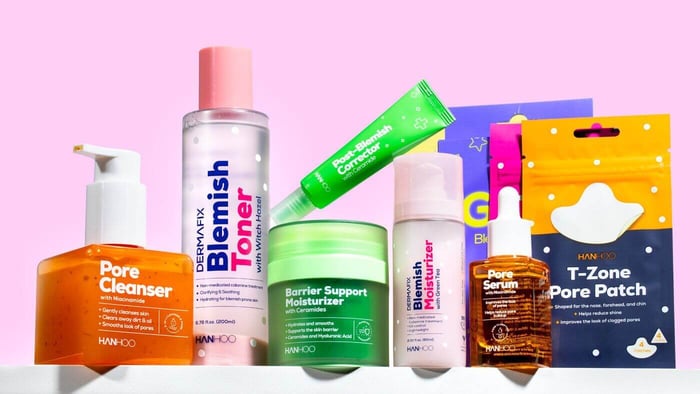




Walking down a skincare aisle, you’ll probably notice that Niacinamide tends to be a very popular starring ingredient. You can find it in tons of different products from cleansers to serums to moisturizers, and in products for all kinds of skin concerns like uneven tone, damaged barrier, and large pores.
And that’s because Niacinamide is a great multi-benefit skincare ingredient. It’s also one of those ingredients that is great for all skin types, including sensitive skin.
What are the benefits of Niacinamide?
As a versatile ingredient, Niacinamide helps alleviate a couple of different skin concerns:
Uneven skin tone
Uneven skin tone comes from discoloration that can appear in the form of post-blemish marks, sun damage, or melasma. And, it can look different for different skin tones. For dark skin tones, discoloration appears as brown or dark spots (known as post-inflammatory hyperpigmentation, or PIH) whereas lighter skin tones can experience discoloration via pink or red spots (known as post-inflammatory erythema, or PIE).
Niacinamide helps with both types of discoloration. In deeper skin tones, Niacinamide helps fade the look of dark spots whereas for lighter skin tones it helps reduce the look of redness.
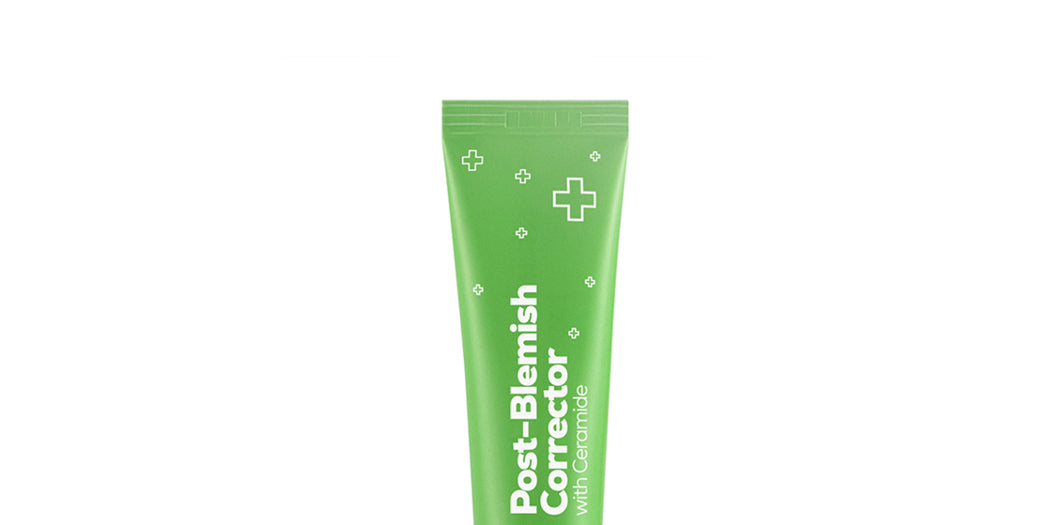
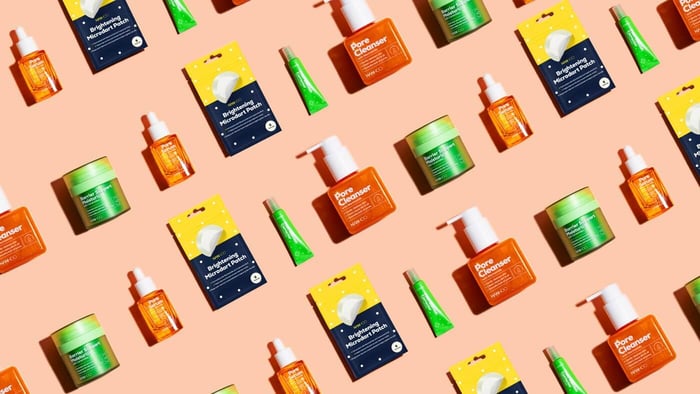
That’s precisely why Niacinamide plays a starring role in our Post-Blemish Corrector and Brightening Microdart Patch. Made with 3% Niacinamide and Tranexamic Acid, the Post-Blemish Corrector helps fade the look of post-blemish marks to help promote an even skin tone.
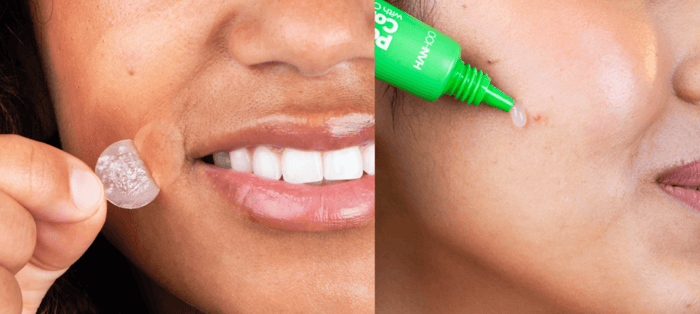
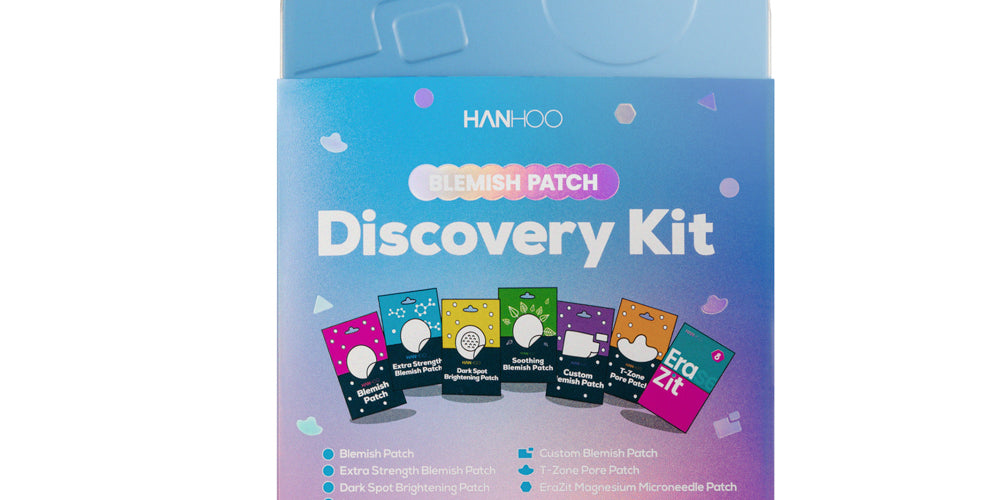
Our Brightening Microdart Patch combines the use of microdarts and 2% Niacinamide to help reach those stubborn dark spots right at the source. We recommend using the Brightening Microdart Patch at night and using the Post-Blemish Corrector during the day (it sits great under makeup).
Enlarged pores
Typically enlarged pores can be caused by a number of factors including genetics, sun damage, excessive oil production, and acne-prone skin. For example, if you have oily, acne-prone skin then you may also deal with large pores. The excess oil in the skin can stretch out a pore, leading to the appearance of enlarged pores.
In this instance, Niacinamide helps balance the production of oil which directly affects the look of pores. With a balanced production of oil, pores can appear smaller since the oil isn’t clogging up and stretching pores, making them look bigger. And with less excess oil on the skin, Niacinamide can also help clear up acne breakouts (which are in part caused by excess oil mixing with dead skin cells).
Our Pore Serum is made with Niacinamide and Salicylic Acid to target pores on two fronts. Niacinamide helps balance oil production while Salicylic Acid helps exfoliate the skin to lift impurities from the pores, to help improve the look of pores overall.

Dull skin
The skin can begin to look dull for a number of reasons. Aging, sun damage, and dehydrated or dry skin can be the culprit behind dullness. Niacinamide helps target these factors via its nourishing and barrier-boosting abilities. It can also help support collagen production, and as you likely already know, collagen is the protein that helps give the skin its youthful look.
Weak skin barrier
A weak skin barrier can be identified by sensitivity, redness, irritation, and even breakouts. Your skin barrier can be negatively affected by sun damage, harsh weather, over-exfoliating, and harsh cleansers, among other factors. When dealing with a weakened skin barrier, the best course of action is to follow a super simple routine and stay away from strong actives while your barrier is recovering.
Using barrier-friendly ingredients can also help the barrier recover. Niacinamide is one such ingredient that can help improve the barrier by moisturizing the skin and protecting from TEWL (transepidermal water loss). Keeping the skin adequately moisturized is crucial to help the barrier get back to optimal function.
Lastly…
Niacinamide is also tolerated well by all skin types. But, if you are wary of Niacinamide you can always look for skincare products that contain lower concentrations of the ingredient, about 2 to 3 percent.